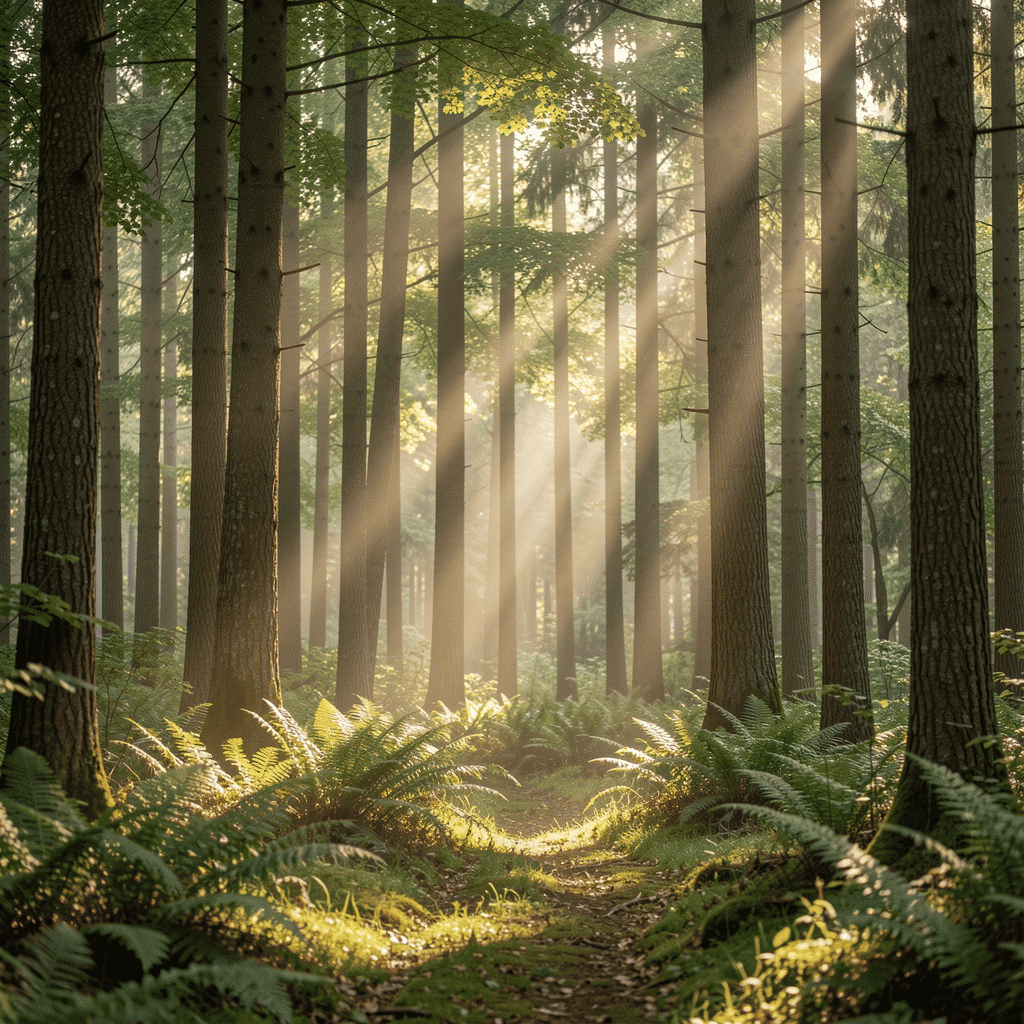
Understanding the influence of illumination is crucial to producing captivating imagery. Illumination can transform the ordinary into the extraordinary, highlighting textures, setting moods, and drawing the viewer's eye precisely where you intend.
To begin with, let's look at the golden hour—those magical moments just after dawn and before dusk when the sun casts a soft, warm glow. This time of day is beloved by many photographers for the natural radiance it provides, enriching colors and enhancing the overall ambience of the shot. Shooting during these periods can add a layer of depth and warmth to your images that is often difficult to replicate at other times.
Conversely, the harsh midday sun presents its own challenges and opportunities. The bright and intense light can lead to unwanted shadows, but it offers the chance to experiment with contrast. Using a reflector or seeking shaded areas can help manage the extreme brightness, allowing you to balance shadows and highlights effectively.
Understanding diffused illumination is another critical skill. Soft, even lighting created on overcast days or through sheer curtains can be perfect for flattering portraits, reducing harsh shadows, and evenly illuminating your subject. This type of light is gentle and can bring out details without overwhelming brightness.
For those interested in more dramatic effects, backlighting—placing the light source behind your subject—can produce stunning silhouettes and halos, adding a sense of mystery and dimension. It's an excellent technique for adding an ethereal quality to your images, especially with subjects like trees, people, or objects with distinct outlines.
Moreover, learning to manipulate artificial sources of illumination opens a realm of creative possibilities. From studio lights to everyday lamps, understanding how to position and diffuse these sources can yield impressive results. Experimenting with different temperatures, from warm amber tones to cool blue hues, allows you to evoke various moods and atmospheres within your imagery.
Practicing control over light involves not only recognizing the quality and direction of natural light but also how to augment it with man-made sources. Reflectors, diffusers, and light modifiers become vital tools in crafting the perfect shot. These tools help you control intensity and direction, ensuring the end result aligns with your creative vision.
Finally, it's essential to cultivate a keen eye for noticing how light interacts with surroundings. The way it reflects off surfaces or passes through materials like glass or fabric can lead to unexpected and beautiful captures. Train yourself to observe these nuances, and let them inspire new approaches and perspectives.
In summary, mastering illumination techniques is akin to writing with light. By paying attention to the time of day, the weather, and the types of sources available, you can dramatically enhance your photographs. Continual experimentation and practice are key to honing this craft, transforming your photography into an evocative art form.