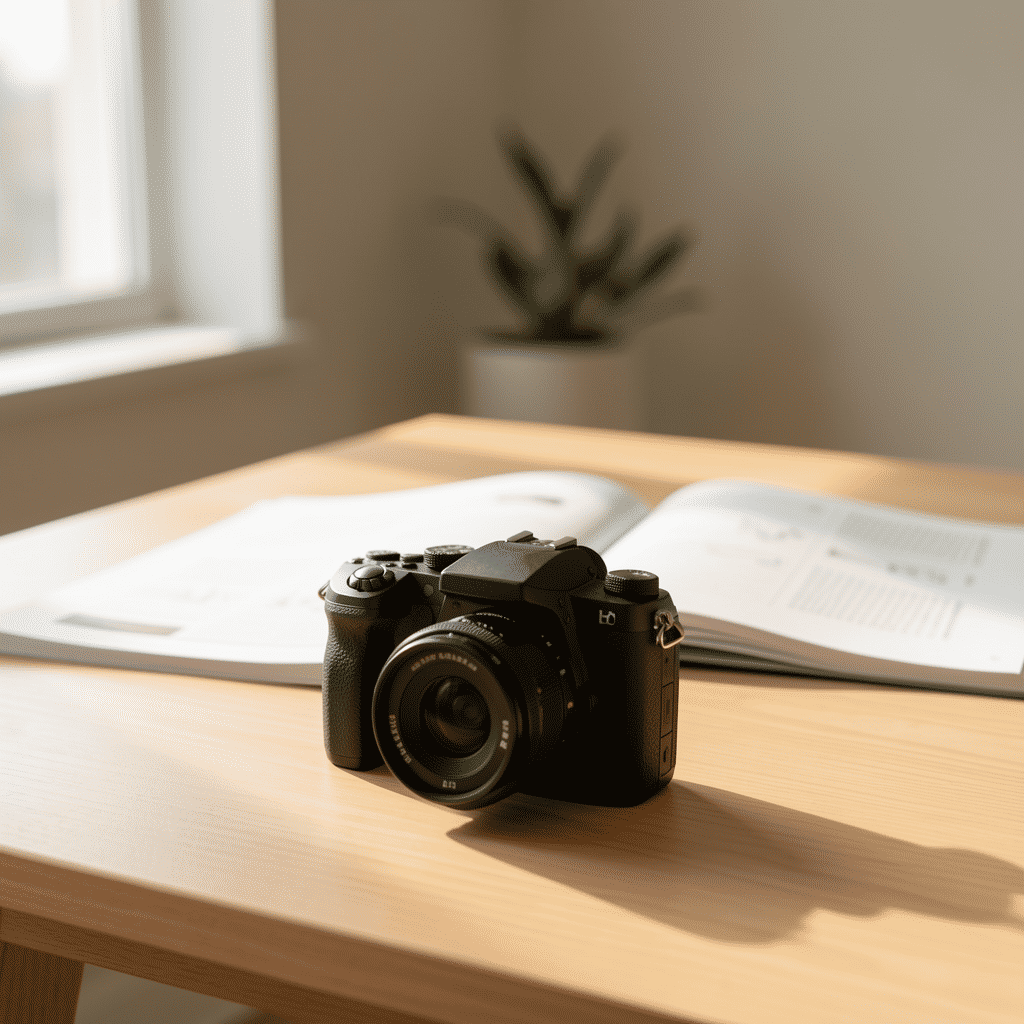
Digital photography has revolutionized the way we capture and share moments, making it accessible for enthusiasts and beginners alike. With countless options available, understanding the basics is essential for anyone looking to venture into this fascinating field. This introductory guide will explore key aspects of digital photography, helping you to capture stunning images with confidence.
Understanding Your Camera:
The first step in your digital photography journey is familiarizing yourself with your camera. Whether you're using a compact digital camera, a DSLR, or a smartphone, understanding its functions is important. Start by exploring essential settings such as ISO, aperture, and shutter speed. ISO determines the sensitivity of the camera’s sensor to light. Aperture controls the amount of light entering the camera through the lens, affecting the depth of field. Shutter speed controls the duration the sensor is exposed to light, influencing motion blur or sharpness in images. Mastering these settings will give you greater creative control over your photos.
The Art of Composition:
Once you grasp camera settings, focus on composition, the core of captivating images. Composition involves arranging elements within a frame to create a balanced and appealing photograph. A fundamental guideline is the "rule of thirds," which recommends dividing your frame into a 3x3 grid and placing key elements along these lines or at their intersections for a pleasing effect. Additionally, experimenting with angles, perspectives, and leading lines can add depth and interest to your photos. Remember, great composition often tells a story or conveys a mood, so consider the narrative you want your image to share.
Lighting:
Lighting is a crucial element in photography, as it affects the tone and mood of the image. Natural lighting, especially during the "golden hour" shortly after sunrise or before sunset, provides soft, warm light that enhances colors and textures. When shooting indoors or in low-light conditions, experiment with artificial light sources or adjust your camera’s settings to achieve the desired exposure. Learning to use shadows creatively can also add drama and dimension to your compositions.
Post-Processing:
Editing is a valuable skill in digital photography, allowing you to enhance and refine your images. Basic adjustments, such as cropping, exposure, contrast, and color correction, can significantly improve a photograph’s overall look. Popular editing software offers a range of tools, from simple filters to advanced features for more detailed adjustments. However, it's crucial to maintain a balance and avoid over-editing, as subtle enhancements are often more effective at preserving the natural beauty of your images.
Practice and Experimentation:
Ultimately, the key to mastering digital photography lies in practice and experimentation. Regularly challenge yourself by trying new subjects, techniques, and styles. Explore different environments and lighting conditions to broaden your skills and foster creativity. Engaging with online communities or joining photography clubs can also provide feedback and inspiration, helping you grow as a photographer.
In conclusion, digital photography is a rewarding endeavor that blends technical knowledge with artistic flair. By understanding camera settings, mastering composition, harnessing lighting, and honing editing skills, you'll be well on your way to capturing stunning and memorable images. Embrace the journey, and let your creativity shine through your lens.