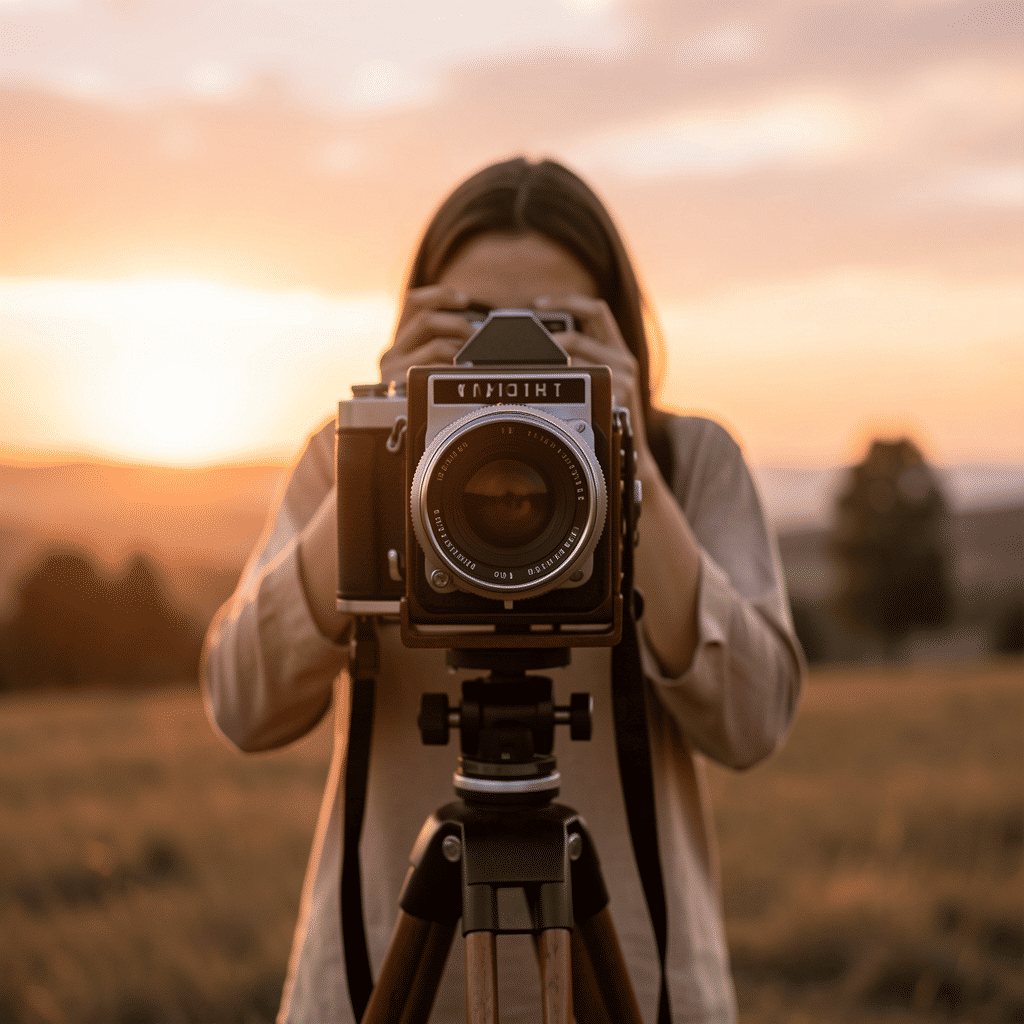
Photography is an art form that combines creativity with technical proficiency. To truly capture stunning images, it's essential to master various techniques and understand the settings of your camera. This guide will explore foundational methods that cater to both budding photographers and those seasoned in the craft, enhancing their ability to produce captivating visuals.
Understanding Exposure
At the core of photography lies the concept of exposure, which is the amount of light that hits the camera sensor. Mastering exposure involves balancing three key elements: aperture, shutter speed, and ISO.
-
Aperture refers to the size of the lens opening. A wider aperture (represented by smaller f-numbers) allows more light in and creates a shallow depth of field, ideal for portraits where you want to isolate the subject from the background. Conversely, a narrower aperture (higher f-numbers) is suitable for landscapes, ensuring that more of the scene is in focus.
-
Shutter Speed determines how long the camera's shutter remains open to let light in. Faster shutter speeds (like 1/1000 seconds) are perfect for freezing motion, whereas slower speeds (like 1/30 seconds or slower) can introduce motion blur, which is useful for capturing the flow of waterfalls or the movement of clouds.
-
ISO measures the sensor's sensitivity to light. A lower ISO value is perfect for bright conditions and produces the least amount of noise. As the lighting environment becomes dimmer, a higher ISO may be necessary, though it can introduce grain, affecting image quality.
Composition Techniques
The composition is another crucial aspect of photography. It dictates how elements are arranged within the frame and significantly impacts the image's visual appeal.
-
Rule of Thirds: Imagine dividing your frame into a grid of nine equal parts with two vertical and two horizontal lines. Positioning the subject along these lines or at their intersections can create a balanced and engaging composition.
-
Leading Lines: These are lines within an image that lead the viewer's eye to the main subject. They can be natural, like a river, or man-made, such as a road or fence.
-
Framing: Use elements within your scene to create a natural frame around the main subject. This can help direct the viewer's focus and add depth to the photograph.
-
Symmetry and Patterns: Both can produce striking images. Symmetry offers a sense of balance, while patterns can be very aesthetically pleasing. Breaking a pattern with an unexpected element can also add interest.
Lighting Considerations
Lighting is a critical element in photography and can transform how a subject is perceived. Natural light, from the golden hues of sunrise to the soft tones at dusk, can create different moods and atmospheres.
-
Golden Hour: The hour after sunrise and before sunset is ideal for outdoor photography. The light is softer and warmer, reducing harsh shadows and enhancing colors.
-
Backlighting: Placing the light source behind the subject can create silhouettes or add a halo effect, useful for portraits or capturing dramatic skies.
-
Artificial Light: Indoors or in controlled environments, artificial light sources such as lamps or flashes can be manipulated using diffusers or reflectors to control shadows and highlights.
Post-Processing Essentials
Post-processing is another aspect that can elevate your photography. Using software to adjust exposure, contrast, color balance, and sharpness can be beneficial in achieving your vision. However, it's essential to maintain a balance and not over-edit, which can result in an unnatural look.
By understanding these fundamental elements—exposure, composition, lighting, and post-processing—you'll be well-equipped to capture breathtaking images. Practice, patience, and a keen eye for detail will further enhance your skills, allowing your unique perspective to shine through your photography.